Chris Morin
5/5
Featured
Table of Contents
Injury doesn't adhere to a predictable timeline for healing. Typical talk treatment aids many individuals process hard experiences, yet some memories remain stubbornly immune to traditional strategies. Eye Motion Desensitization and Reprocessing (EMDR) and Accelerated Resolution Therapy (ART) have actually emerged as effective options for people whose injury signs and symptoms persist regardless of years of treatment. These evidence-based treatments offer paths to alleviation that can feel incredibly faster than traditional methods, in some cases generating substantial shifts in just a couple of sessions.
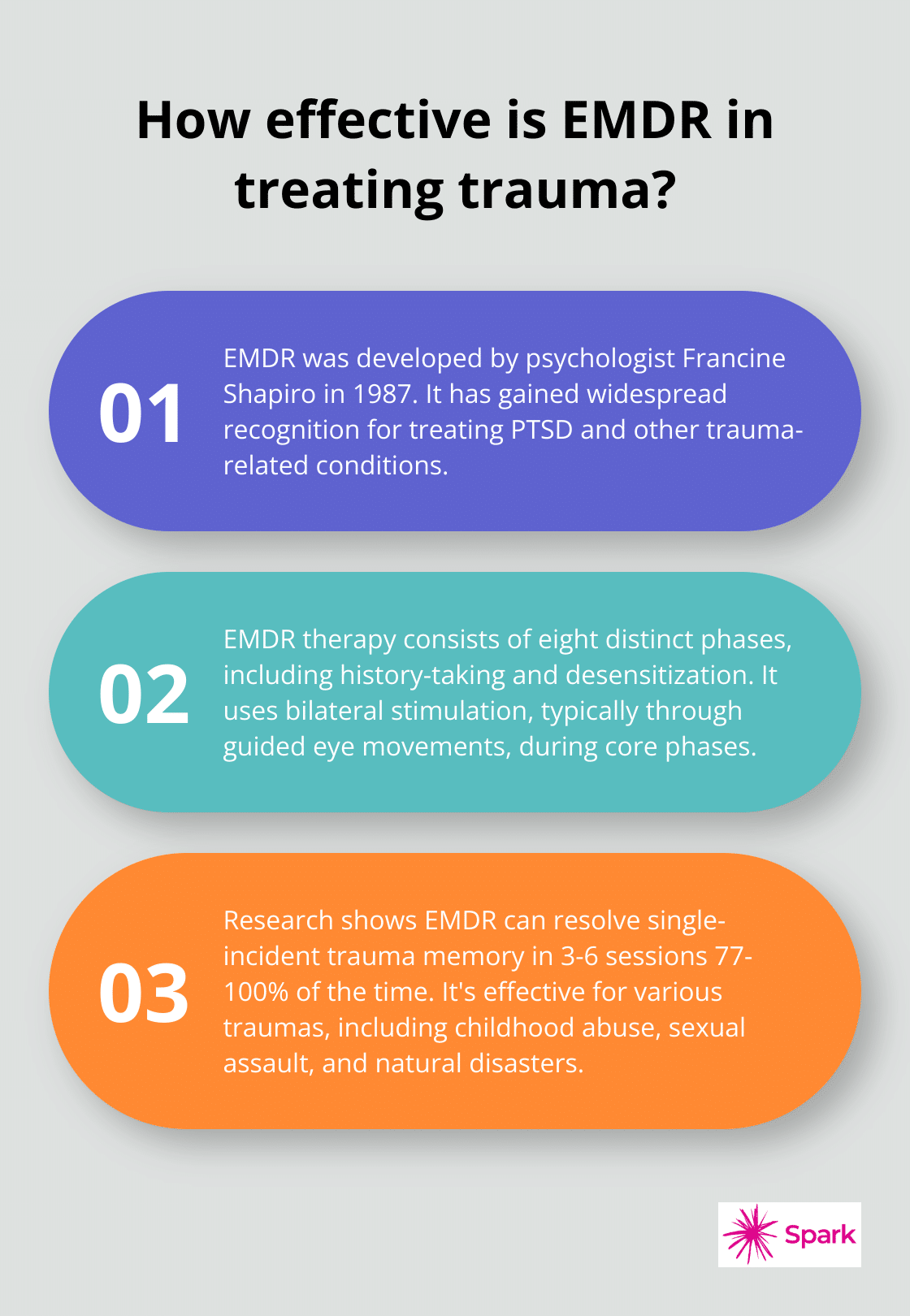
Eye Motion Desensitization and Reprocessing stands for a standard change in injury treatment. Established by Francine Shapiro in the late 1980s, EMDR therapy operates on the concept that stressful memories end up being "" stuck"" in the mind's processing system, keeping their emotional cost and activating power long after the initial event. Unlike standard treatment that relies largely on verbal handling, EMDR uses bilateral stimulation-- generally eye motions, faucets, or tones-- to assist in the mind's natural recovery systems.
The process includes remembering terrible memories while all at once participating in bilateral stimulation. This double attention shows up to permit the brain to reprocess stuck memories, reducing their emotional strength and incorporating them into wider life narratives. Customers usually explain the experience as viewing a movie of their trauma that progressively sheds its power, transforming from a natural reliving right into a farther recollection.
What makes EMDR particularly compelling is the comprehensive research study sustaining its effectiveness. The Globe Health Company, American Psychiatric Association, and Department of Veterans Affairs all acknowledge EMDR as an evidence-based therapy for injury and PTSD. Researches consistently demonstrate that EMDR creates results comparable to or better than traditional trauma-focused cognitive behavior modification, frequently in fewer sessions.
EMDR treatment complies with an organized eight-phase method that makes certain thorough treatment. The procedure starts with history-taking and treatment preparation, where specialists determine target memories and analyze customer preparedness for injury processing. This preparation phase confirms essential-- specialists teach basing methods and coping abilities that customers can use if handling ends up being frustrating.
The analysis stage involves determining certain memories, unfavorable ideas linked with those memories, and preferred positive ideas. A memory of an auto accident may bring the unfavorable cognition "" I'm not risk-free,"" which therapy intends to replace with "" I survived and I'm secure currently."" Clients rank their distress levels and belief strength, providing quantifiable pens of development throughout therapy.
Desensitization-- the heart of EMDR-- involves remembering the target memory while adhering to the therapist's moving hand or engaging with bilateral faucets or sounds. Handling proceeds up until the memory's emotional cost diminishes dramatically. Installment reinforces the favorable belief, while body scan makes sure no recurring physical tension stays. Closure and reevaluation phases full each session and evaluate progress with time.
Accelerated Resolution Treatment improves EMDR's foundation while presenting special aspects made to speed up recovery. Developed by Laney Rosenzweig in 2008, ART shares EMDR's usage of eye motions however integrates images rescripting strategies that allow customers to psychologically "" alter the channel"" on traumatic memories. This technique frequently creates dramatic lead to incredibly brief timeframes-- commonly one to five sessions.
The accelerated nature of ART comes from its straight targeting of sensory memories. As opposed to comprehensive verbal handling, ART concentrates on replacing troubling photos with neutral or positive ones while preserving factual memory of occasions. A professional may remember the truths of a combat experience without the invasive nightmares and flashbacks that formerly come with those memories.
ART treatment demonstrates particular performance for single-incident traumas like crashes, attacks, or medical procedures. The procedure allows clients to maintain the web content of their trauma personal if preferred-- therapists don't need thorough verbal summaries to help with reliable processing. This function attract people reluctant to vocally state painful experiences or those concerned about privacy in specific professional contexts.
Standard weekly treatment sessions work well for lots of people, yet some circumstances ask for even more intensive intervention. EMDR intensives condense therapy right into longer, extra regular sessions-- in some cases complete or half-day consultations over successive days. This layout allows much deeper handling without the disturbance of returning to daily life between typical 50-minute sessions.
Intensives particularly profit people managing certain stressful occasions, preparation for major life shifts, or those who've plateaued in traditional therapy. The focused format produces momentum that can appear resistance and permit processing that could take months in once a week sessions. Traveling from out of state comes to be practical when treatment compresses into a week or vacation rather than requiring months of regular consultations.
Resilience Now and comparable specific practices usually structure intensives around individual requirements, integrating EMDR with corresponding strategies like somatic therapy or mindfulness methods. The intensive layout requires mindful preparation and follow-up assistance to ensure clients can incorporate their handling and maintain gains after returning home.
While EMDR and ART built their credibilities dealing with injury and PTSD, both methods demonstrate effectiveness for stress and anxiety disorders even without clear stressful beginnings. Panic disorder, social anxiety, and generalised stress and anxiety frequently have roots in earlier experiences that might not certify as capital-T trauma however however created long-term patterns of fear and evasion.
EMDR targets the memories, scenarios, and triggers that fuel existing anxiety. Someone with social anxiousness could refine very early experiences of humiliation or denial that established beliefs regarding being evaluated or insufficient. As these memories shed their emotional charge via bilateral excitement, contemporary anxiousness symptoms usually decrease considerably.
ART's quick processing makes it specifically appealing for people whose anxiousness interferes with job, connections, or lifestyle. The prospect of meaningful relief within a handful of sessions encourages people that may or else delay looking for treatment. Both techniques supply hope that anxiety does not need years of administration-- it can possibly fix via targeted reprocessing of the experiences that developed distressed patterns.
Both EMDR and ART identify that injury lives in the body as long as the mind. Stressful memories typically show up as physical experiences-- rigidity in the upper body, nausea, muscle mass tension-- that linger also when the original danger has passed. Efficient injury treatment addresses these somatic parts as opposed to concentrating specifically on ideas and feelings.
During EMDR handling, customers track physical sensations as memories change. Tension could at first raise prior to releasing, or brand-new experiences could become processing continues. Therapists assist attention to these body experiences, permitting them to educate and progress the reprocessing work. The body scan stage particularly makes certain that no residual physical holding patterns continue to be after cognitive and emotional processing completes.
This somatic understanding confirms specifically vital for complicated trauma, where hypervigilance and physical reactivity come to be ingrained survival reactions. Discovering to track and release body-based injury responses aids clients reclaim a feeling of safety and security and existence that trauma had stolen.
Both EMDR and ART use powerful trauma therapy, but particular aspects could make one better for your specific scenario. EMDR's comprehensive research base and eight-phase framework attract people who value thoroughly confirmed methods and appreciate clearly specified therapy protocols. The technique's flexibility enables adjustment for complex trauma, attachment injuries, and continuous hard situations.
ART's fast outcomes make it suitable for single-incident trauma, details anxieties, or circumstances needing quick resolution. The privacy afforded by very little spoken disclosure advantages some clients, while others may miss the processing that comes from talking with experiences. Some professionals incorporate both strategies, utilizing ART for distinct memories and EMDR for more complicated discussions.
Beginning EMDR or ART requires preparedness to engage with excruciating memories, also as the processing itself reduces their impact. Initial sessions concentrate on building resources and ensuring ample coping skills exist for taking care of prospective distress. Quality injury specialists never hurry into processing prior to establishing safety and security and stablizing.
The experience of bilateral excitement varies-- some people barely see eye movements or taps, while others discover them at first unusual or disruptive. Many customers adapt quickly, and the bilateral element soon fades right into history awareness as handling takes center phase. Between sessions, brand-new understandings, memories, or emotions might emerge as the mind continues incorporating material.
Progression does not always adhere to a straight path. Some sessions create dramatic changes while others really feel slower or harder. Relying on the procedure and preserving dedication with varying experiences enables the full benefit of these strategies to emerge. Follow-up sessions assess whether processing holds and attend to any type of staying targets or new material that surface areas.
Not all specialists offering EMDR or ART have comparable training or experience. Fundamental EMDR training calls for conclusion of accepted programs, yet additional consultation, advanced training, and oversaw practice different proficient practitioners from truly knowledgeable ones. Try to find therapists licensed by EMDR International Organization (EMDRIA) or that have actually finished extensive supervised hours past fundamental training.
For ART, qualification requires specific training in the method and monitored practice. The therapy's loved one newness contrasted to EMDR indicates less practitioners use it, yet growing research study support proceeds broadening availability. Specialized techniques like Strength Now frequently concentrate especially on trauma-informed modalities, making sure team experience in these methods.
Throughout appointments, ask concerning specific training, years of technique with the technique, and kinds of injury generally treated. A specialist's comfort and self-confidence with the technique matters significantly-- efficient EMDR and ART need flexibility to adapt protocols while maintaining fidelity to core concepts. The appropriate match combines technical competence with the relational abilities that make all therapy efficient.
Table of Contents
Latest Posts
Discovering the Right High-Achiever Specialist: A Deep Study EMDR and IFS Therapy for Professionals
EMDR and ART Therapy: Revolutionary Approaches to Injury and Anxiousness Therapy
Beginning Action Into Freedom from Anxiety: What to Anticipate with Therapeutic Support in NYC Services
More
Latest Posts
Discovering the Right High-Achiever Specialist: A Deep Study EMDR and IFS Therapy for Professionals
EMDR and ART Therapy: Revolutionary Approaches to Injury and Anxiousness Therapy
Beginning Action Into Freedom from Anxiety: What to Anticipate with Therapeutic Support in NYC Services

