Featured
Table of Contents
- – Understanding the Trauma-Eating Problem Link
- – Brainspotting: Accessing Injury Via Visual Han...
- – Accelerated Resolution Treatment: Quick Injury...
- – Specialized Trauma Treatment for Narcissistic ...
- – Incorporating Anxiety Treatment with Eating Di...
- – Discovering Specialized Treatment: What to Seek
- – The Course Forward: Integrated Recovery
Lynnwood, WA
When traditional talk treatment stops working to attend to the deep-seated injury underlying eating disorders, specialized therapeutic methods can supply development healing. For people dealing with binge eating problem, anxiety, or the consequences of egotistical abuse, innovative trauma-focused treatments are reshaping recovery end results in extensive methods.
Understanding the Trauma-Eating Problem Link

The connection between terrible experiences and disordered eating patterns runs deeper than lots of recognize. Study regularly demonstrates that individuals with binge eating problem regularly have histories of intricate trauma, consisting of emotional misuse, egotistical partnerships, and chronic stress and anxiety. The mind's reaction to unprocessed trauma commonly materializes via attempts to regulate frustrating feelings via food-- developing cycles that typical nutritional strategies alone can not break.
Injury doesn't simply stay in our memories. It comes to be encoded in the body and anxious system, setting off automatic actions that drive compulsive behaviors. This neurological truth clarifies why determination and dish plans often stop working without resolving the underlying injury design. Reliable therapy requires techniques that gain access to and reprocess these deeply saved stressful experiences at their neurological resource.
Brainspotting: Accessing Injury Via Visual Handling
Brainspotting represents one of one of the most innovative advances in trauma treatment over the past twenty years. This technique identifies that where we look affects how we feel-- and specialists trained in brainspotting usage this phenomenon to aid customers accessibility and process traumatic memories kept in subcortical brain areas.
Throughout brainspotting sessions, specialists assist customers determine particular eye positions that correlate with traumatic activation in the body. By preserving focused attention on these "" brainspots"" while refining difficult memories or sensations, clients can launch injury that verbal treatment can not get to. For people with binge eating problem, this strategy proves especially useful due to the fact that eating disorders usually create as coping mechanisms for traumas that predate language or mindful memory.
The somatic focus of brainspotting makes it especially reliable for injury survivors whose bodies have discovered to utilize food for emotional regulation. As opposed to intellectually recognizing injury, customers experience straight resolution of the nerve system dysregulation that drives compulsive eating patterns.
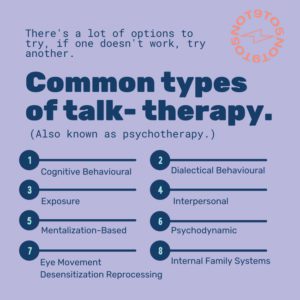
Accelerated Resolution Treatment: Quick Injury Handling
Accelerated Resolution Treatment (ART) offers an additional effective tool for trauma survivors, specifically those tired by years of handling without progression. This evidence-based strategy integrates aspects of eye movement treatment with volunteer image replacement strategies to help clients resolve distressing memories in remarkably few sessions-- usually in between one and five.
What differentiates ART from other trauma therapies is its focus on altering exactly how traumatic memories are stored without needing clients to vocally state uncomfortable information. For survivors of narcissistic misuse that might really feel shame or self-blame around their experiences, this facet of ART treatment provides crucial mental safety. Customers can heal without re-traumatization through in-depth narration.

The therapy works by utilizing bilateral eye motions to promote the brain's all-natural handling systems while the customer focuses on stressful photos or feelings. With led visualization techniques, customers after that change stressful imagery with even more adaptive photos, successfully reprogramming how memories are saved and accessed. This strategy has actually shown certain assurance for people whose eating disorders established as feedbacks to connection trauma or emotional misuse.
Specialized Trauma Treatment for Narcissistic Misuse Healing
Egotistical misuse produces a distinct type of complex injury that typical treatment strategies usually have a hard time to attend to properly. The gaslighting, manipulation, and systematic disintegration of self-worth intrinsic in conceited partnerships need specific therapeutic understanding. Several survivors develop eating conditions as they attempt to restore control in connections where their fact has been constantly rejected or distorted.
Trauma-informed specialists that concentrate on conceited abuse healing understand that recovery calls for greater than processing details cases. Survivors need help restoring their sense of fact, reconnecting with their instinct, and developing healthy and balanced boundaries-- all while dealing with the physiological trauma actions that might materialize as disordered consuming, persistent anxiety, or hypervigilance.
Reliable treatment for conceited misuse survivors integrates psychoeducation about manipulation techniques with somatic techniques that assist customers reconnect with their body's wisdom. This combination verifies important since conceited abuse specifically targets victims' count on their very own assumptions and feelings-- the actual resources needed for intuitive eating and emotional law.
Incorporating Anxiety Treatment with Eating Disorder Treatment
Anxiousness and consuming problems exist in a bidirectional partnership, each intensifying the various other in self-reinforcing cycles. Binge eating episodes typically comply with durations of intense anxiety, as food supplies momentary remedy for overwhelming nerves activation. The results of bingeing typically activates even more anxiousness, pity, and physical stress and anxiety-- bolstering the cycle.
Comprehensive anxiousness therapy within injury therapy addresses these interconnected patterns at numerous levels. Cognitive strategies aid clients recognize and challenge anxiety-driven idea patterns, while somatic strategies show nerve system guideline abilities that reduce the requirement for food-based coping. Exposure-based treatments gradually enhance customers' capacity to endure uneasy feelings without transforming to binge consuming.
The most efficient anxiety therapy for consuming problem recuperation identifies that trying to get rid of anxiousness completely is both impossible and detrimental. Instead, treatment focuses on developing a much healthier connection with anxiousness-- finding out to experience it as details instead of emergency situation, and structure confidence in one's capacity to ride emotional waves without numbing via food.
Discovering Specialized Treatment: What to Seek
Picking a specialist or treatment center for injury and eating condition healing calls for cautious consideration. One of the most effective suppliers provide several key aspects:
- Trauma-informed treatment that identifies eating problems as adaptive reactions to overwhelming experiences rather than simple behavior issues
- Specialized training in evidence-based trauma handling modalities like brainspotting or ART treatment
- Recognizing of facility injury discussions including narcissistic abuse and developmental injury
- Integration of nerves guideline techniques together with cognitive and behavioral methods
- Acknowledgment that recovery takes place in relationship, needing therapeutic attunement and safety and security
- Versatility to adapt therapy rate and approaches to specific worried system capability
Companies like Ebb and Circulation Therapy in Seattle exemplify this thorough approach, using specialized injury therapy that deals with the elaborate partnerships in between past experiences, present consuming patterns, and general psychological well-being. Their emphasis on evidence-based modalities integrated with deep understanding of trauma's physical impacts produces problems for real change rather than symptom administration alone.
Acceptance and Commitment TherapyThe Course Forward: Integrated Recovery
Recuperation from trauma-related eating disorders calls for persistence, specialized support, and approaches that honor the extensive ways injury shapes both mind and body. While the trip demands courage and commitment, the integration of cutting-edge injury treatments provides wish for recovery that resolves origin rather than surface area habits.
For people all set to move beyond the limitations of traditional approaches, seeking therapists learnt brainspotting, ART therapy, and egotistical abuse recovery can open up brand-new paths to freedom from both traumatic pasts and disordered consuming patterns. The brain's exceptional capability for recovery, when supported by suitable healing intervention, makes full recuperation not simply feasible but increasingly likely.

Table of Contents
- – Understanding the Trauma-Eating Problem Link
- – Brainspotting: Accessing Injury Via Visual Han...
- – Accelerated Resolution Treatment: Quick Injury...
- – Specialized Trauma Treatment for Narcissistic ...
- – Incorporating Anxiety Treatment with Eating Di...
- – Discovering Specialized Treatment: What to Seek
- – The Course Forward: Integrated Recovery
Latest Posts
Open Exploration during Depth Psychology for Deep Exploration
Treating Complex Trauma
Overcoming Obsessive Thoughts plus Emotional Trauma
More
Latest Posts
Open Exploration during Depth Psychology for Deep Exploration
Treating Complex Trauma
Overcoming Obsessive Thoughts plus Emotional Trauma