Featured
Table of Contents
New! Numerous therapeutic strategies and strategies can be tailored to the specific needs and characteristics of the household. Households might look for treatment for various reasons, consisting of: difficulties connecting efficiently might lead to misconceptions, problems, or constant debates.
persistent illness or disability might call for coping strategies, role modifications, and anxiety administration. resolving the results of past trauma or abuse within the family system frequently requires professional treatment to heal and rebuild trust. enhance relationships, improve interaction skills, and cultivate a much healthier family members setting. Treatment provides a safe room for households to explore their characteristics, boost understanding, establish healthier patterns, and discover effective approaches to manage difficulties.
The effectiveness of a household therapy session counts on several vital ideas and practices that cultivate an environment helpful to purposeful interaction and progression. Fundamental in family members treatment, this preliminary step involves creating a safe and non-judgmental space where each household member really feels comfy revealing themselves.
Program genuine understanding and compassion toward each household member's experiences and feelings. Guarantee family participants their personal privacy is appreciated and clarify the definition of privacy.
Navigating Infidelity Through Therapy
Concentrate on: Advertise an atmosphere where household members attentively listen without disrupting or judging each other. Educate member of the family to duplicate what they've listened to, ensuring a clear understanding of each other's point of views. Acknowledge and validate everyone's feelings, also if they vary from each other. Active paying attention fosters compassion, enhances understanding, and reduces misconceptions advertising much healthier communication within the family members.
Ensure the goals are straightened with the family's needs. Clear objectives give direction and emphasis throughout treatment, directing interventions and helping family participants track their development.
Acknowledge and value each family member's input, highlighting the worth of their point of view. Make certain that no one dominates the discussion and motivate quieter family participants to talk up.
Cultural Competency That Honor Identity
If you make use of these approaches, you will promote an extra efficient and impactful restorative trip. The preliminary session functions as an introduction to you and the restorative process. Follow these actions. 1. Enable each relative to present themselves, sharing their reason for looking for treatment and their expectations. Present yourself and give a little background.
:max_bytes(150000):strip_icc()/GettyImages-1283399679-a21cff75a5734d56b5a2f974ffeff405.jpg)
Gather info about family members dynamics, relationships, and concerns. Recognize toughness and difficulties within the family members. Talk about the family members's ambitions.
Ask the adults to complete and authorize any authorization or release forms, along with any various other essential documents. 10. Produce a structure that helps with effective interaction, analytic, and progress towards therapeutic goals. Right here's a detailed breakdown of each phase. 1. To comprehend each family members participant's mood and issues, start the session by permitting each member to briefly share their existing thoughts, sensations, and any updates.
Collaboratively develop the emphasis for the session and determine pushing issues that call for conversation. This step makes sure that everyone feels listened to and that the session addresses relevant issues. Wrap-up objectives and examine the progression made to track the family members's development and recognize what requires to be attended to.
Attachment-Based Approaches and Meaningful Relational Change
5. Develop a secure setting where each relative feels comfy expressing themselves. Encourage respectful interaction and aid members recognize each various other's point of views. 6. 1. Review the primary insights, discussions, and final thoughts reached during the session. This strengthens crucial takeaways and guarantees every person is on the exact same page. 2. 3.
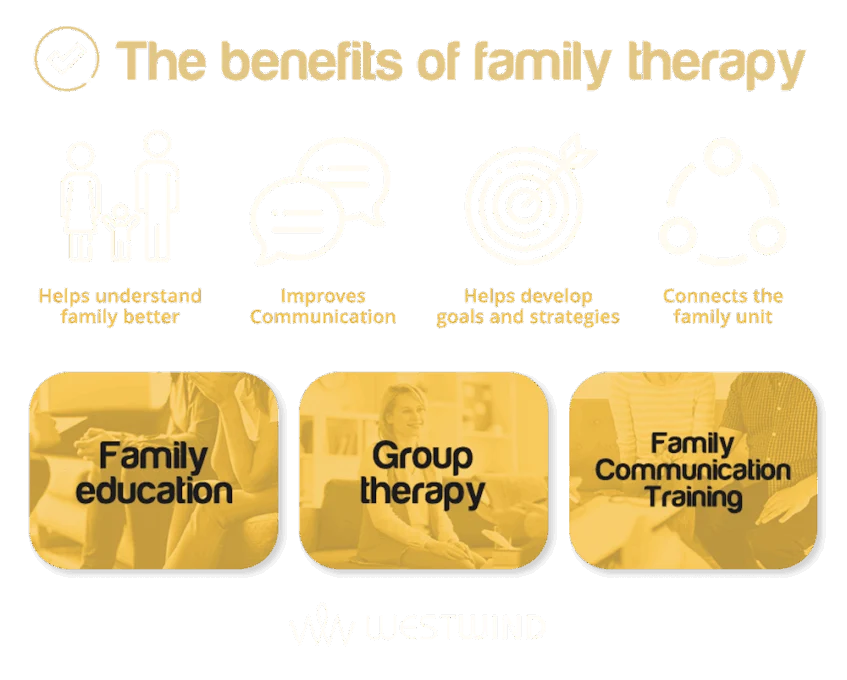
Here are a lot more pointers: 1. 2. Foster an environment where each member of the family really feels secure, accepted, and valued regardless of their viewpoints or actions. Show authentic compassion by proactively listening and confirming the emotions and experiences shared by each member of the family. Establish clear standards for interaction, respectful behavior, and session participation.
Understanding Why Personal Issues Ripples Through The Entire Family System
It can assist parents and caregivers recognize the sources of problematic habits and develop methods to resolve it. Households frequently encounter difficulties during significant life changes such as separation, loss, or relocation. Family therapy can provide assistance and assistance to assist family members adapt to these modifications and browse them with greater convenience.
This can have a favorable effect on the psychological and psychological well-being of all relative. Entailing the household in the therapy process creates an extra supportive atmosphere for participants handling conditions like depression or addiction. By addressing and settling disputes and dysfunction, family therapy can assist stop future problems and promote much healthier relationships.
1. 2. Initially, concentrate on producing a strong restorative alliance with the family. This involves: Structure trust fund with each relative. Working together with the household to develop clear, certain, and achievable therapy goals that are aligned with the household's problems and motivations for looking for therapy. Clear up the roles of each family members member while describing the restorative procedure and discussing the commitment needed for progression.

Latest Posts
Unconscious Material in Depth Psychology for Unconscious Exploration
Pharmacological Support in EMDR Intensives for Anxiety
Self-Concept across Adaptation